

1 December 2025
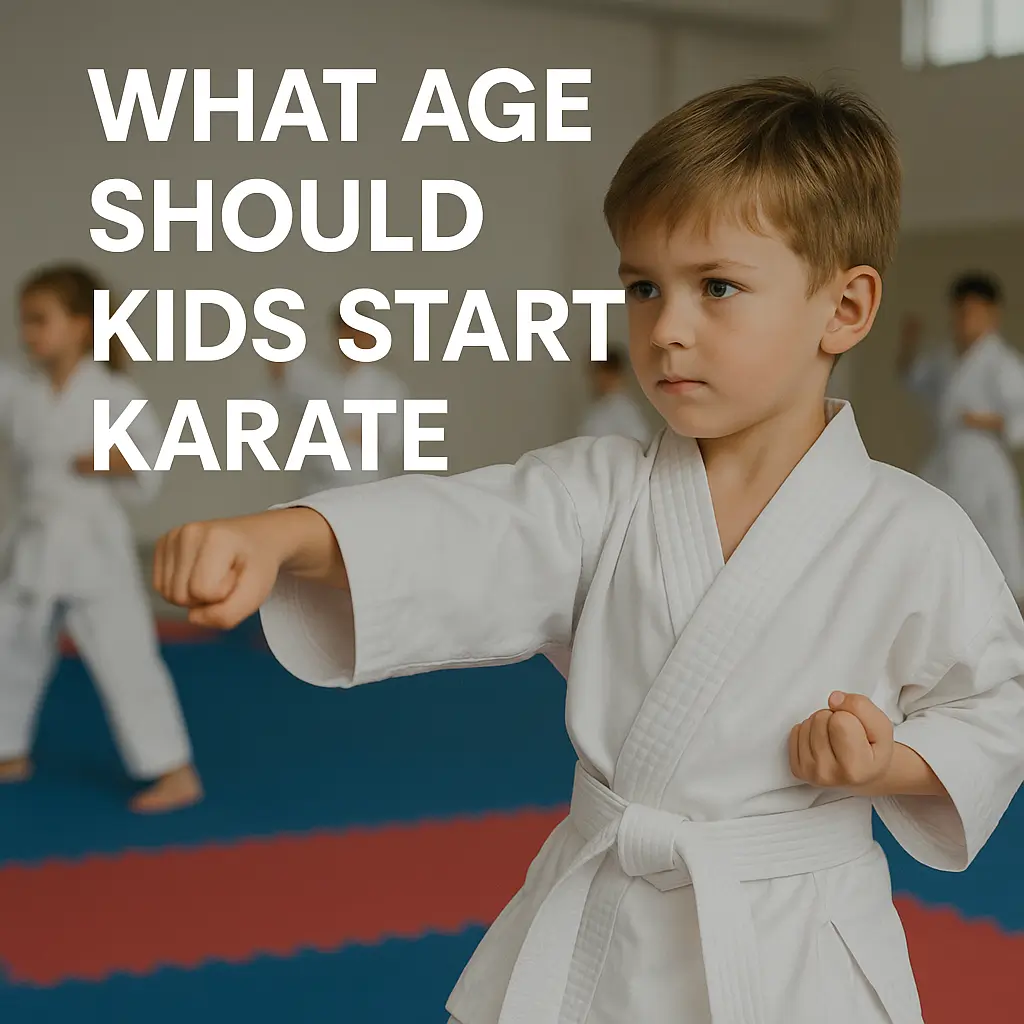
What Age Should Kids Start Karate? A Practical Guide for Parents
What Age Should Kids Start Karate?
Many parents wonder what age kids can start karate and still stay safe, focused, and excited to learn. This guide walks through age by age what is realistic so you can decide if your child is ready for beginner karate classes.
Quick answer, what is the best age to start karate?
Most children are ready for a structured beginner karate program somewhere between 5 and 7 years old. At this age they can usually follow simple instructions, wait their turn, and understand basic safety rules on the mat.
That said, there is no magic number that fits every child. The right “starter age” depends on personality, attention span, and coordination, not just the date on their birth certificate.
Age by age guide to kids karate classes
Here is a realistic look at what karate usually looks like for different age groups. Use this to decide where your child fits today.
At this stage classes are often called “tiny tigers” or “little ninjas”. The focus is on fun, balance, and listening, not strict karate technique. Think animal walks, simple rolls, basic stances, and learning to line up and bow.
This is the sweet spot for many children. They can follow multi step directions, practice beginner blocks and strikes, and start earning their first belts. Classes still use plenty of games but the structure feels like “real” kids karate training.
Children in this range usually progress quickly. They have better balance, coordination, and focus, so they can work on forms, partner drills, and more disciplined practice. This is a very good age to start if your child wants karate for confidence, focus, and fitness.
Pre teens can handle deeper technical details and self defense concepts. They may join a junior or youth class that trains more like adult karate but with extra coaching on confidence and respect.
How to tell if your child is ready for karate
Age is only one part of the decision. Here are signs that your child is ready for beginner karate classes.
- They can follow simple instructions from a teacher for at least 10 to 15 minutes.
- They understand “stop”, “stay in your square”, and similar safety rules.
- They can keep their hands to themselves unless it is part of an exercise.
- They enjoy active play, jumping, running, and pretend games.
- They can separate from you for a short lesson without major distress.
If three or more of these sound true, your child will probably do well in a kids karate class designed for their age.
Why starting karate young helps kids
Starting karate at a young age can give children a head start in several areas of life, not only in sports.
- Focus and listening. Following a sequence of moves trains concentration in a fun way.
- Confidence. Earning stripes and belts shows kids that effort leads to progress.
- Respect and discipline. Bowing, saying “yes sir” or “yes ma’am”, and taking turns builds manners.
- Balance and coordination. Kicking, blocking, and stepping help develop body control.
- Healthy habits. Karate classes teach that movement and effort feel good, not like a chore.
For shy kids, karate can provide a structured way to speak up, answer loudly, and practice eye contact in a very supportive setting. For energetic kids it offers a safe and positive outlet for all that movement.
Can a 3 or 4 year old start karate?
Many schools offer programs for 3 and 4 year olds. In these classes the goal is not to turn preschoolers into miniature black belts. The goal is to build basic skills that will make real kids karate training much easier later.
A good preschool karate style class usually:
- Runs for 25 to 30 minutes instead of a long session.
- Uses short “bursts” of activity, songs, and games.
- Keeps contact very light and controlled, or avoids partner contact completely.
- Includes parents in the waiting area so children feel safe.
If your child is not ready to follow group instructions yet, you can simply wait a year and try again. There is no penalty for starting karate at 5, 7, or even 10. Many very strong students begin later.
Safety tips when starting kids karate
Regardless of age, the right karate school will always put safety first. As a parent, you can watch for a few simple signs.
- Warm up and cool down. Classes should start with gentle movement before any high kicks.
- Controlled contact. Younger students should not be trading hard blows. Pads and targets are safer.
- Clear rules. Instructors should repeat class rules often and enforce them calmly.
- Instructor to child ratio. Very young groups should have enough assistants to help individuals.
- Positive tone. Look for firm and kind coaching instead of yelling or shaming.
When these basics are in place, karate is one of the safest and most structured activities that children can join.
How to choose a kids karate school in your area
Whether you search for “karate for kids near me” or “kids martial arts classes” you will probably see several options. Here is how to narrow them down.
- Look for a dedicated kids program rather than children added to adult classes.
- Ask how they group students by age and experience.
- Watch a full class before you sign up and notice body language, smiles, and energy.
- Ask how the belt system works and how often kids test.
- Check if there is a trial class or intro lesson so your child can try it with low pressure.
Most schools are happy to let you observe and ask questions. If a school seems annoyed by parent questions, that is usually a sign to keep looking.
Common questions parents ask about starting karate
These are the questions we hear most often from parents who are considering karate for their children.