
18 de agosto de 2026
5 Ataques con Underhook para Jiu-Jitsu No-Gi y Lucha
5 Ataques con Underhook para Jiu-Jitsu No-Gi y Lucha
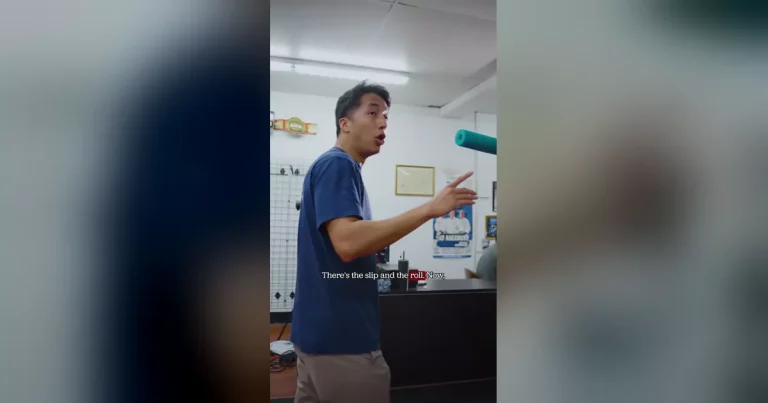
Un underhook no es una técnica terminada. Es una posición de control. En esta serie de entrenamiento de julio de Modern Warrior Academy, un agarre en el clinch abre cinco opciones relacionadas: un duck-under, doble underhooks y un body lock, un lanzamiento de tirón, una entrada a una pierna y una doble pierna.
Lo que controla un Underhook
En jiu-jitsu no-gi y lucha, un underhook de BJJ es el brazo que pasas por debajo de la axila de tu compañero y a lo largo de su espalda. Te conectas al torso — el hombro, las costillas y el espacio detrás de la cadera — no agarras el cuello del gi.
Esa conexión te permite dirigir el hombro cercano, abrir un camino hacia la espalda y mantenerte lo suficientemente cerca para que la otra persona no pueda enmarcar y reajustar fácilmente. El punto de entrenamiento en esta serie es simple: ganar el underhook es el inicio del intercambio, no el final. Trátalo como una posición de control y puedes ramificar en varios ataques sin una nueva preparación cada vez.
Por qué importan la postura, la posición de la cabeza y la conexión
A lo largo de los cinco clips, el entrenador mantiene los mismos detalles antes de que comience el ataque: cabeza conectada, caderas cerca, underhook apretado — una línea desde tu hombro a través del de ellos, no un abrazo flojo. Si tu cabeza se levanta, el compañero puede extenderse o recuperar el underhook. Si tus caderas se alejan, pierdes el paso detrás, el cambio de nivel y la pierna lejana. El agarre no crea el ángulo. Tu postura sí.
Mantén el underhook apretado al cuerpo. Un brazo flojo es fácil de recuperar.
Mantente conectado a través de la cabeza y el hombro para poder girar la esquina o cambiar de nivel.
Cierra el espacio. La mayoría de estas entradas fallan cuando alcanzas desde demasiado lejos.
Ataque 1: Duck-Under
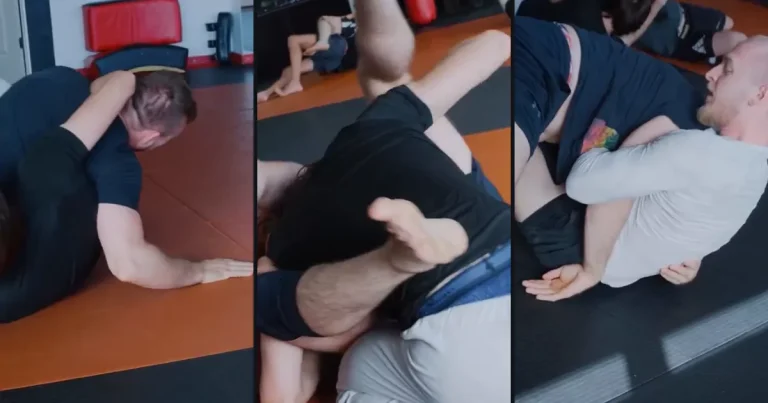
El primer clip comienza con ambos compañeros trabajando underhooks. Desde ese clinch de pie, el entrenador añade un duck-under — bajando el nivel, girando la esquina y llegando detrás del compañero. En cámara esto es una entrada y una toma de espalda, no un derribo garantizado. Lo que sucede después depende de cómo reaccione el compañero.
Un duck-under desde un underhook de BJJ no es un truco separado que memorices en aislamiento. Es una forma de usar el espacio que ya creaste cuando ganaste la posición interior.
Ataque 2: Doble Underhooks y Control de Body-Lock
Imagen fija de BJJ 2 underhook - DOUBLE UNDERS mw.mp4El video se carga solo después de que presionas reproducir.
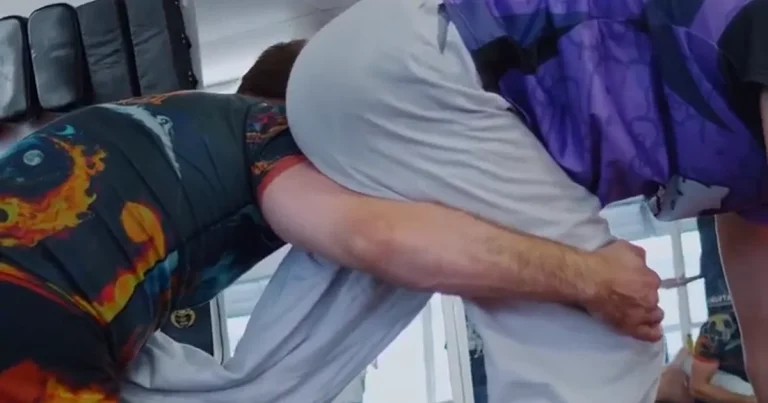
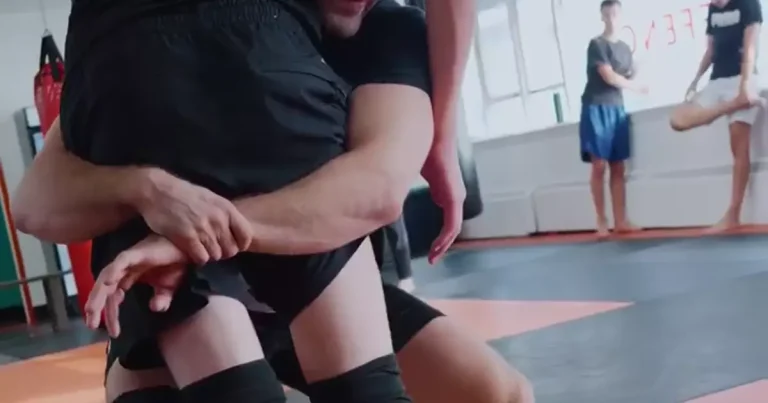
En el segundo clip, el entrenador no abandona el primer underhook. Añade el segundo brazo, envuelve el cuerpo y bloquea las manos — añade esto, tráelos, usa todas las herramientas en lugar de solo intentar cavar. Esto es una progresión de controlEl final en cámara es un body lock apretado, no un lanzamiento nombrado. Los doble under dan la opción de levantar, girar o montar. No ponen automáticamente a alguien en el suelo.
Ataque 3: Lanzamiento de Tirón
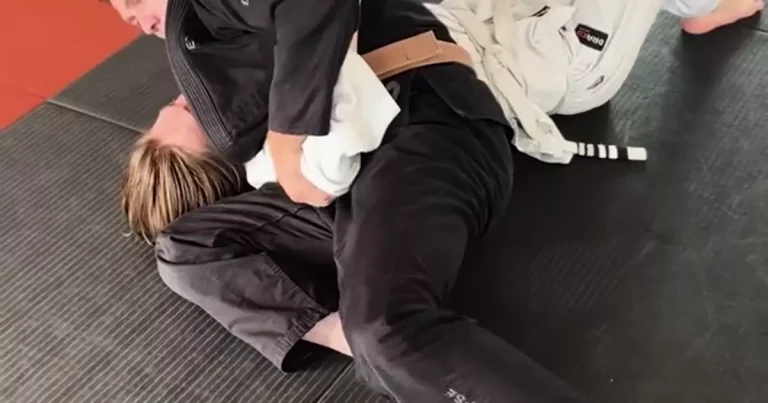
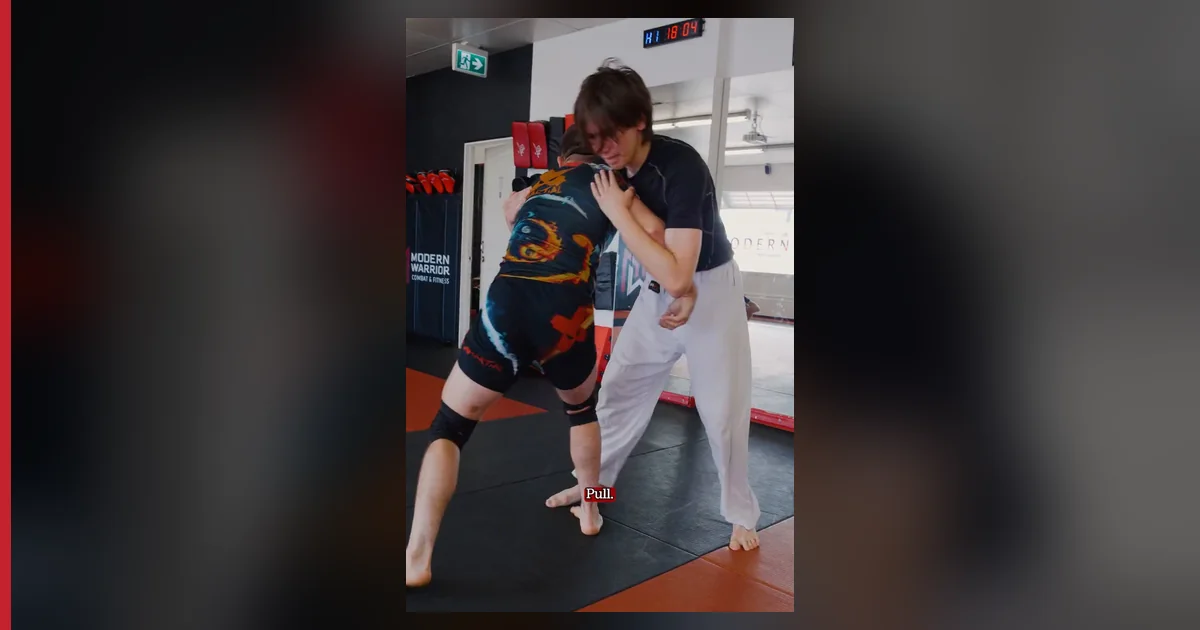
El tercer clip es el que claramente termina en el suelo. Desde el underhook, el entrenador tira, da un paso adentro y cae. En el suelo bloquea el envolvimiento agarrando su propio muslo. Usamos el nombre de la serie de entrenamiento: lanzamiento de tirónEl video no da un nombre japonés de judo, y este artículo no inventa uno.
Qué es y qué no es este clip: a diferencia de los clips de duck-under y single-leg, este sí completa el derribo. Sigue siendo el mismo underhook. La diferencia es la elección: quedarse detrás, bloquear el cuerpo o tirar a través.
Ataque 4: Entrada a Single-Leg
Aquí el underhook se convierte en un camino hacia la pierna cercana. El entrenador explica un tirón y un paso, con pummeling aún en juego. El clip termina con la pierna capturada mientras el compañero aún está de pie — una entrada, no un derribo terminado. Conseguir la single-leg es un trabajo. Terminarla es otro, cubierto en finalizaciones de derribo single-leg.
Ataque 5: Entrada a Double-Leg
El último clip de técnica cambia de nivel desde el mismo underhook a ambas piernas. Ves un levantamiento, luego la pareja termina en el suelo con el entrenador en control superior lateral. Trata este como un double-leg completado al lado. En la misma explicación el entrenador repasa las otras opciones — single-leg, duck-under — que es el punto de la serie. Las entradas de double-leg de pie que no comienzan desde este underhook son una lección separada: derribos double-leg.
Por qué los estudiantes practican opciones relacionadas desde la misma posición
Los principiantes a menudo quieren un solo "mejor" derribo desde el underhook. El grappling en vivo no funciona así. Si el compañero pone la cadera, el duck-under puede estar disponible. Si se mantienen cuadrados, el body lock puede ser más seguro. Si adelantan una pierna, la single-leg o double-leg se vuelven disponibles. Practicar cinco ataques relacionados desde un underhook de BJJ enseña a tomar decisiones: mantener la conexión, cambiar el ataque y saber si el clip que acabas de ver fue control, una entrada o un derribo completado.
Cómo la práctica se desarrolla en sparring en vivo
La práctica cooperativa es donde las cinco opciones se vuelven limpias. El sparring en vivo es donde descubres si puedes mantener el underhook cuando alguien está pummeling, enmarcando y moviéndose de verdad.
Los clips de agosto a continuación están aquí solo para mostrar ese salto: de una secuencia enseñada a grappling no-gi en vivo. No están etiquetados como un ataque específico de underhook, y este artículo no afirma que lo sean.
En el programa de jiu-jitsu para adultos de Modern Warrior jiu-jitsu para adultos, el sparring en vivo se introduce progresivamente. No necesitas ser primero un luchador. Necesitas un entrenador que observe los mismos detalles que esta serie repite: postura, posición de la cabeza y conexión.
Aprende Jiu-Jitsu Integrado y Lucha en New Westminster
Los clips cortos te ayudan a ver la idea. El trabajo sucede en los tatamis. En Modern Warrior Academy en 6th Street en New Westminster, el jiu-jitsu y la lucha para adultos se enseñan como habilidades relacionadas — judo, lucha y jiu-jitsu brasileño en la misma conversación. El entrenador Cody Osborn lidera las clases de jiu-jitsu y lucha para adultos.
Para una visión más amplia de cómo la academia habla sobre grappling, ve la visión general del programa de suelo y grappling y jiu-jitsu no-gi para defensa personal real. Luego revisa el horario actual de clases y ven a probar el trabajo en persona.