18 October 2026
Ankle Lace Wrestling: Control and the Rolling Turn
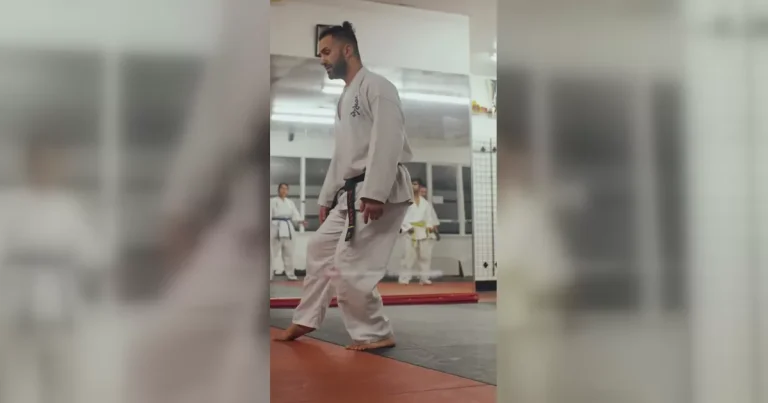
Two coaching demonstrations look at ankle lace control, the rolling turn, and where the shoulders are while you move. The coach calls the position a lace ankle.
From the shot to the mat
A takedown gets both people to the mat. The next problem is different. Your partner is already down, and the work is to control a leg and turn them.
The coach in these clips calls that position a lace ankle. He says it is not a pinning position. It is a way to turn the person. It is also not a jiu-jitsu submission, and this page does not attach a score or a ruleset to it.
What to watch in the turn
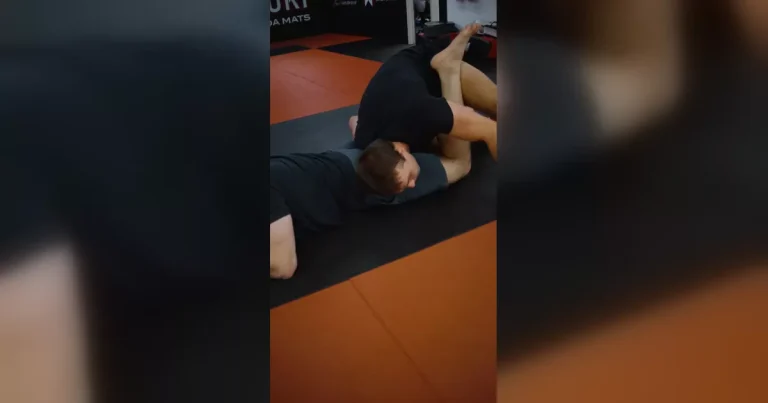
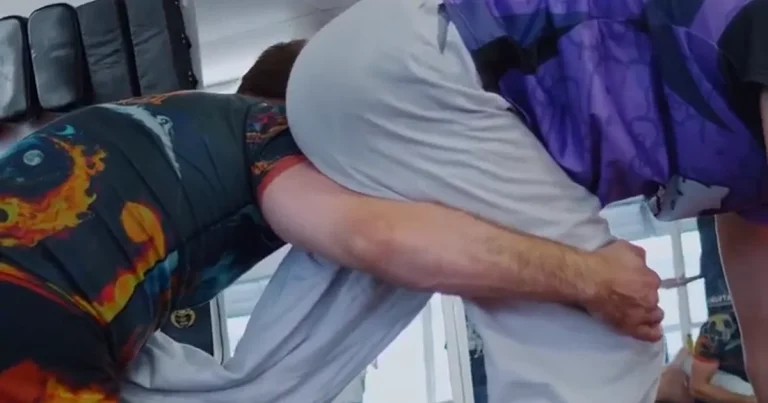
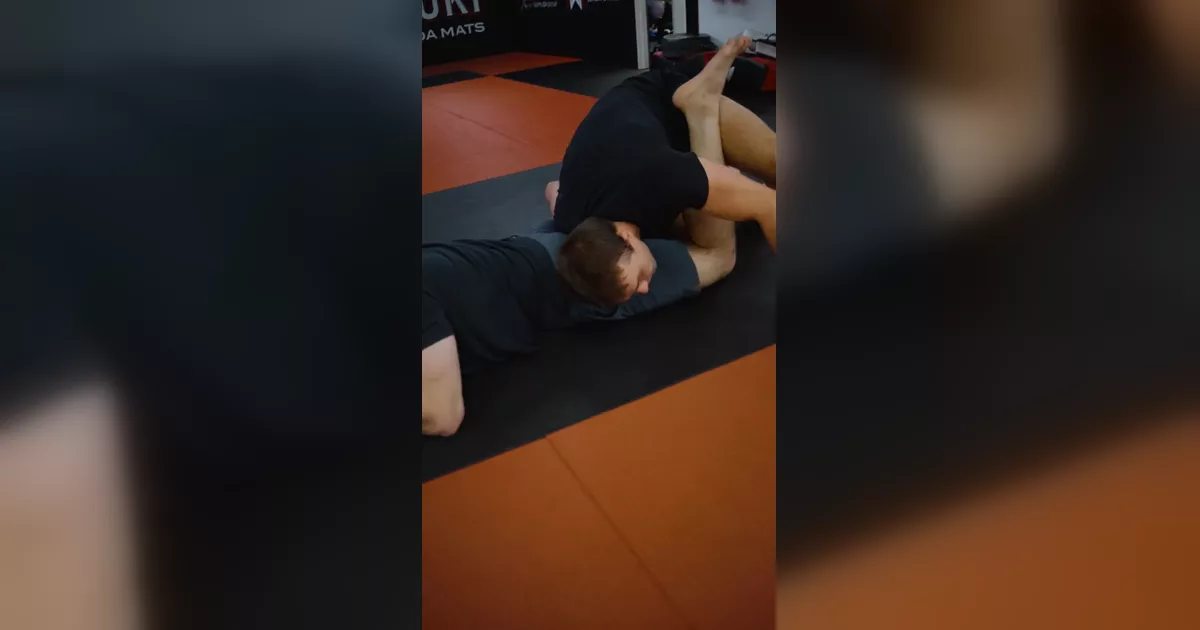
In the first demonstration he sits on the heel or the ankle, drops a shoulder in, and puts a hand around the knee. He drives the partner down, collects the ankle, walks back and scoops, then drives the shoulder in again. He keeps pushing until he feels the partner can no longer post. That is when he bridges and rolls.
The details worth pausing on are the ankle he sits on, the hand around the knee, the shoulder driving in, and the moment he says the partner can no longer post. Those are the cues he uses before the bridge and the roll.
The knee, the shoulders, and the next move
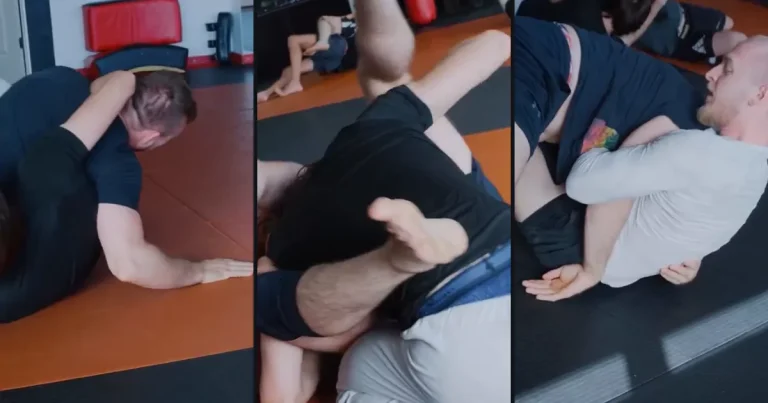
The second clip is a selection, not one continuous roll. It joins three separate moments from the follow-up lesson, and the picture changes at those joins. Watch it as a set of coaching points.
He stays secure around the knee, then shows a C-shaped grip he can use to shove the knee and turn the partner further. As he rolls, he shoves the knee again. Between the demonstrations he stops on two things: where your shoulders are, and not staying in one position for too long. In the last piece he bridges before his shoulders are down, pulls on the knee, and moves back.
Bring those pictures to coached practice. They are not a checklist for rolling someone over on your own, and they are not a claim about what is legal in a particular match.
Where this sits with the takedown lessons
The standing entries are already covered elsewhere. See single-leg takedown finishes and double-leg takedowns for how an exchange can arrive at the mat. Underhook attacks are a different, standing problem. This lesson starts after the partner is already down.
To work on the position with a coach, look at wrestling at Modern Warrior. You can also contact the dojo and ask which class fits. No experience is required to begin.