
26 September 2026
Boxing Parry Drills: Staying Ready After the Jab
Boxing Parry Drills: Staying Ready After the Jab
Two short pad drills from Modern Warrior in New Westminster. In one, the coach answers the jab with the mitt. In the other, he uses the mitts to test the student’s guard. Both train the same habit: your defence doesn’t switch off when you punch.
The Jab Is Not the End of the Exchange
It is easy to throw a jab and forget about what comes back. The first drill is built around one cue from the coach: when you jab, make sure you’re still ready to parry or to block.
In boxing, a parry usually means a small deflection of the punch with the glove, while a block takes it on the guard. The coach names both. Either way, the idea is the same: the jab goes out, and a hand is ready for the reply.
Watch the Jab-and-Parry Comparison
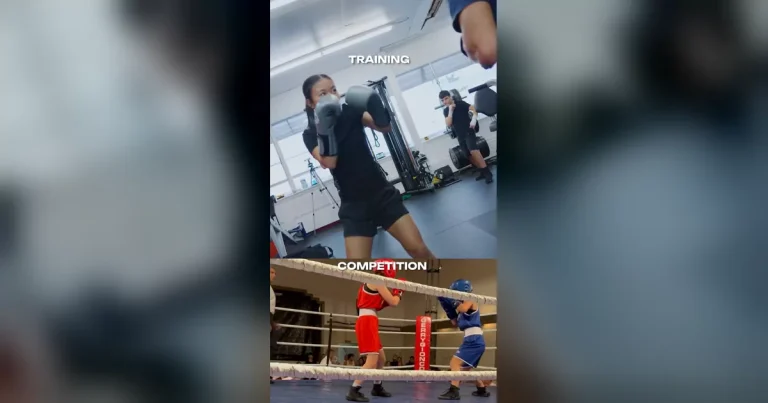
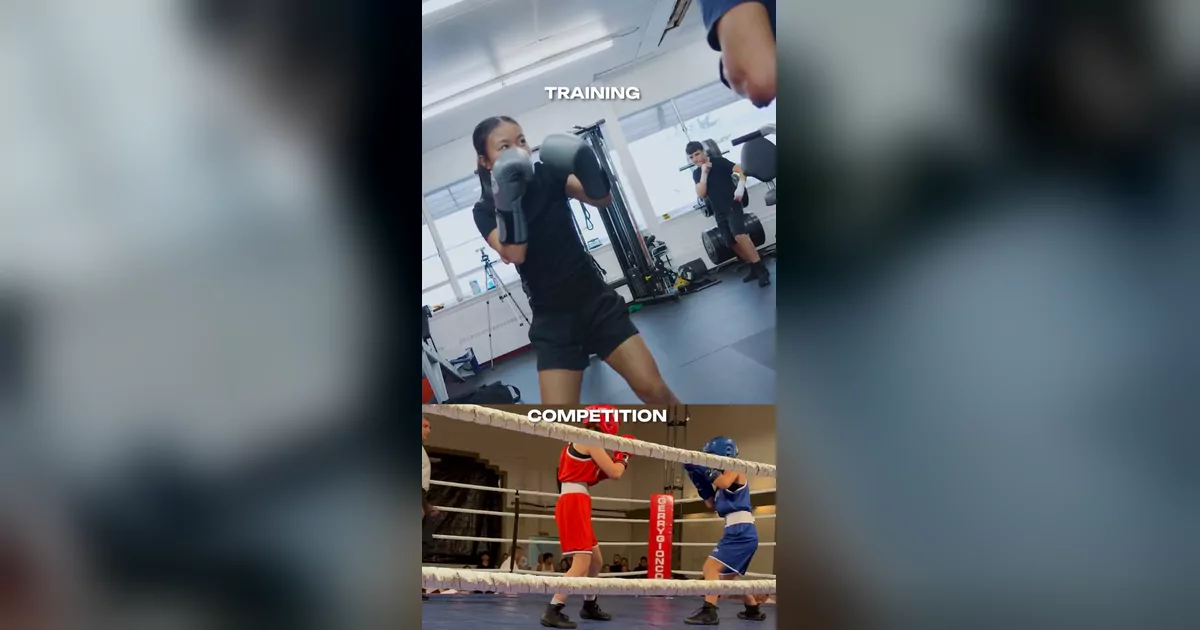
The clip is an edited split-screen. The top panel, labelled Training, is padwork: the student jabs and double-jabs, and the coach reaches back in with the mitt. The bottom panel, labelled Competition, is footage from an amateur bout.
Transcript summary
The coach opens with the cue: when you jab, make sure you’re still ready to parry or to block.
He runs the student through jabs and double jabs on the mitts, with short cues to go again.
He closes with a quick line of encouragement to the student.
Summarised from the coaching audio and the on-screen captions; not a word-for-word quote.
In the training panel, watch what happens after the jab. The coach sends the mitt back toward the student, and the student’s gloves come up to meet it. That is the point of the drill: the punch goes out, and the defence is already there when the reply comes.
Treat the pairing as an illustration, not evidence. The clip doesn’t establish that both panels show the same boxer, and it doesn’t show that the drill decided the bout.
What the Pad-Blocking Drill Adds
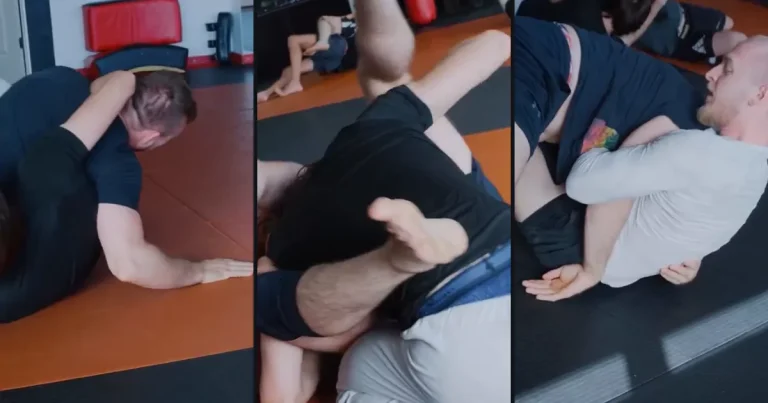
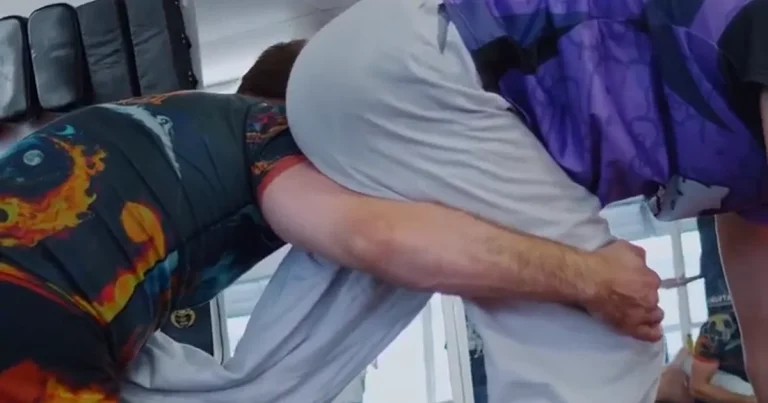
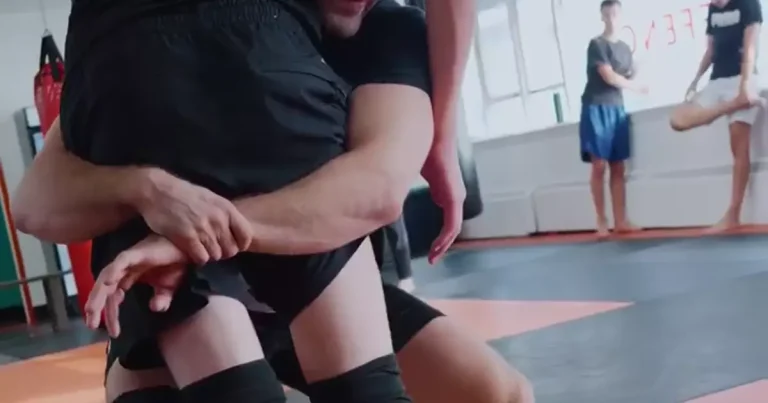
The second clip is a different drill. The coach uses the focus mitts as the attack, tapping toward the student’s guard, and the student responds. His reason, in the opening line: better that it’s a pad than a fist.
Transcript summary
The coach opens by explaining that it is better to learn this against the pads than against a fist.
Most of the clip is the drill itself, with little speaking. Green checks and red crosses are added on screen as the responses are counted.
It ends with a joking aside from the coach to his students.
Summarised from the coaching audio and the on-screen text; not a word-for-word quote.
This is controlled pad feedback, not the same drill as the first clip. The student isn’t punching first. The mitts supply the attack, and the tally shows which responses the edit counts as clean and which it counts as misses. It gives students plenty of repetitions reacting to a hand coming at the guard, at a pace the coach controls.
Train the Response Under Supervision
Defensive reactions are built with a coach, light contact and a lot of repetitions, then tested gradually. Neither drill is a promise that you won’t get hit. Both are ways to make defence part of your offence from the first jab.
Parrying sits alongside other boxing skills already covered here: head movement with slips and rolls, and feints for landing cleaner punches. Each does a different job. To work on all of it in person, try Boxing at Modern Warrior. No experience needed. Check the schedule, book a free intro class, or contact us with questions.