26 September 2026
Single-Leg Takedowns: Sweep Entries and Low-Single Finishes
Single-Leg Takedowns: Sweep Entries and Low-Single Finishes
Three short wrestling lessons filmed on the Modern Warrior mats in New Westminster: a sweep single-leg built from the feet up, a reminder that every entry should end in a takedown, and a low-single option against a larger training partner.
Watch the Sweep Single-Leg Lesson
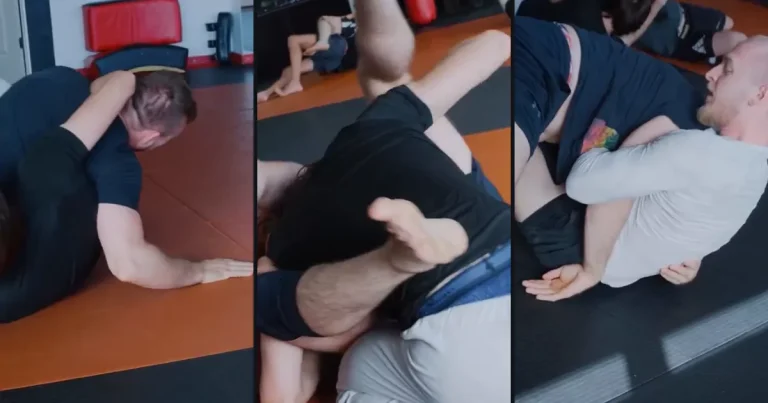
The first clip builds the sweep single-leg in layers. For roughly the first seventeen seconds the coach takes his hands out of it and drills only the feet. Then he adds the hands and the finish, and runs the whole sequence again at speed.
Transcript summary
The partner stands in a square stance. Without using his hands, the coach steps outside the partner’s foot, drops his knee behind them and swings his other leg back so he can push off.
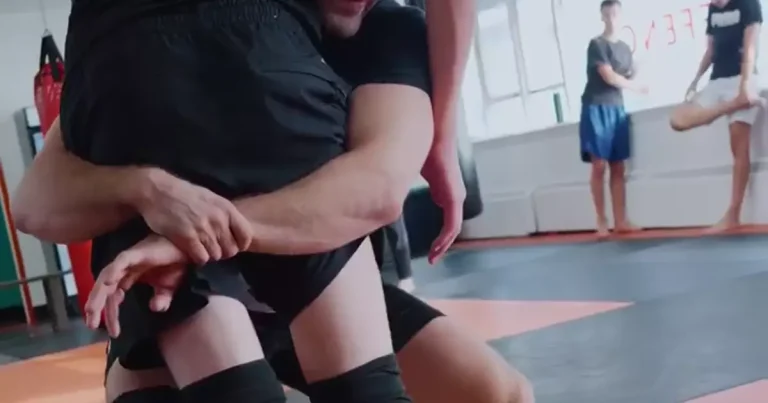
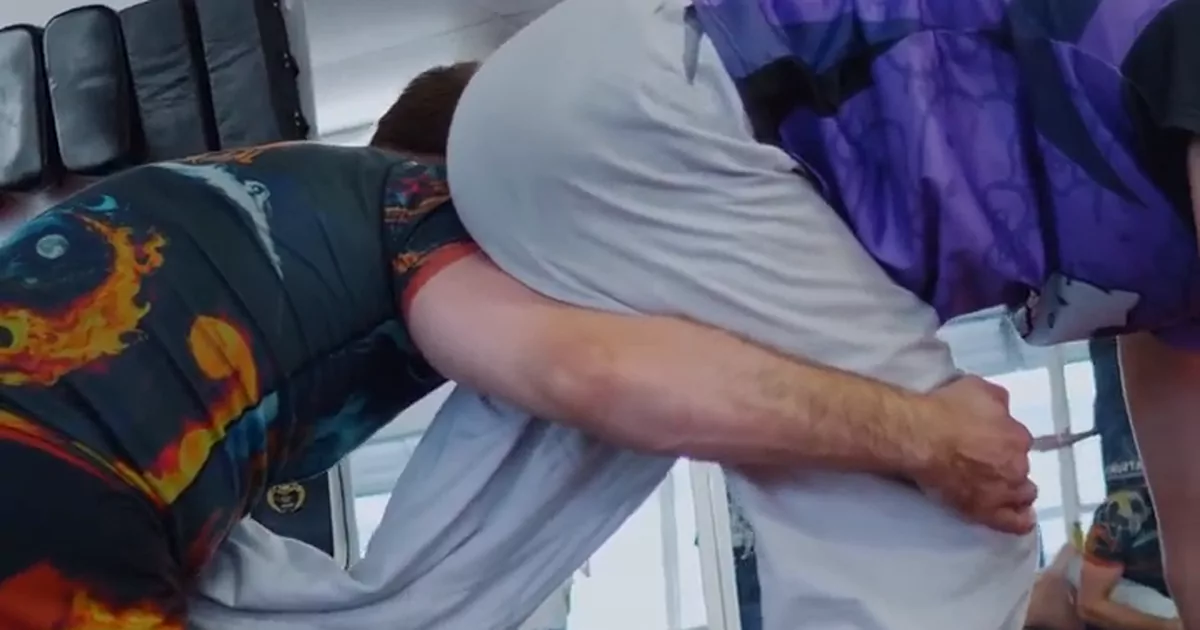
Putting it together, he steps and brings a hand in between the partner’s legs. That hand reaches from between the thighs to the outside of the knee, the other hand goes to the other knee, and he drives his shoulder into the back of the partner’s hips until they go flat to the floor.
He repeats it at speed: step to the outside, drop the knee, swing the leg back, drop the shoulder, get behind, hand to the knee, drive the shoulder, get the partner flat.
Summarised from the coaching audio and the on-screen captions; not a word-for-word quote.
Start with the feet, because the coach does. The partner stands square. He steps outside the partner’s foot, drops his knee behind them and swings his trailing leg back so he has something to push off. No grips yet. Only when the footwork is in place does he add the hands.
Then the hands come in. One hand reaches from between the partner’s thighs to the outside of the knee. The other hand goes to the opposite knee. He drives his shoulder into the back of the partner’s hips until they are flat on the mat. In the last run-through he finishes behind his partner.
Step outside the partner’s foot, drop the knee behind them and swing the trailing leg back.
One hand from between the thighs to the outside of the knee. The other hand on the opposite knee.
Shoulder into the back of the hips until the partner is flat on the mat.
Connect Hand Fighting to an Entry
The second clip is less about one technique and more about a drilling habit. The coach moves his partner around (push, pull, a snap-down, underhooks) and then comes in. His point is that the setup has to lead somewhere.
Transcript summary
The coach says you can set it up and move your partner around, push and pull, and then actually take them down to the mat.
His rule for the drill: every entry ends up in a finish. Don’t waste effort on hand fighting that goes nowhere.
He shows it again: moving the partner, a snap-down, the partner defending, coming in and going for the finish. Everything starts with moving the partner (underhooks, coming under) and then finishes with a takedown.
He closes by asking the group to get used to the idea of every shot finishing in a takedown.
Summarised from the coaching audio and the on-screen captions; not a word-for-word quote.
This applies to the single-leg, but it isn’t only a single-leg lesson. It is how the coach wants the whole drill to run: hand fight with a purpose, create an opening, and when you shoot, finish the takedown in the drill instead of stopping at the entry.
It is a training cue, not a promise. A resisting partner defends, and plenty of real attempts will not land. Finishing every rep in practice simply means you have rehearsed the whole movement, not only the first half of it.
A Low-Single Finishing Option
The third clip is this coach’s answer to a common problem: a partner who is bigger and harder to take down. It is one option he likes, shown with a larger training partner, not a rule for every match-up.
Transcript summary
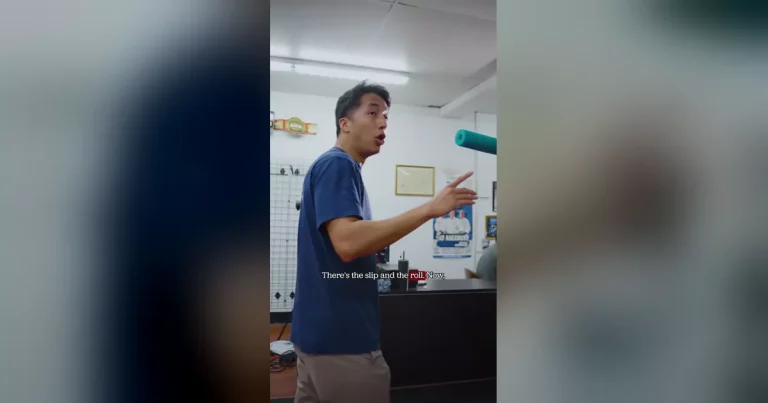
The coach asks what to do when an opponent is bigger and harder to take down. His advice is to hand fight a little longer and make them work. He describes staying steady rather than forcing shots, drawing on his own experience against bigger opponents.
When there is an opening, his preferred shot against a bigger partner is a low single. He explains that if he shoots straight in, the partner can get their hips in.
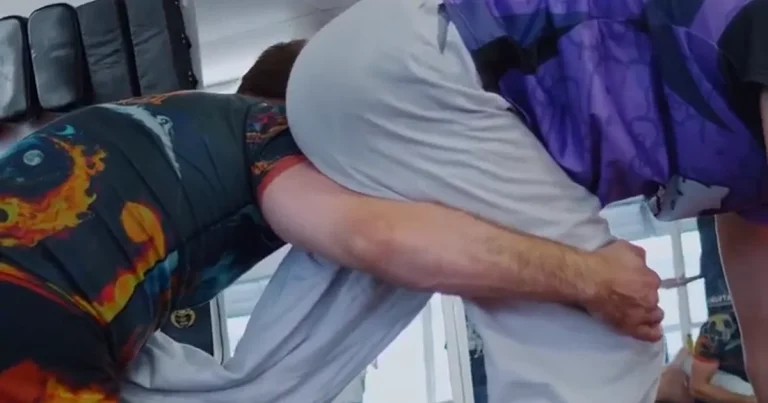
His finish: shoot, come around the corner and keep the shoulder tight, pick up on the ankle, shoot the other hand deep on the knee and drop the shoulder down. That way he doesn’t have to elevate or pick up the leg.
On-screen checklist: Hand fight. Low single. Make sure to ankle pick.
Summarised from the coaching audio, on-screen captions and checklist; not a word-for-word quote.
He starts with patience. Hand fight a little longer, make the partner work, and wait for an opening instead of forcing a shot.
When the opening comes, he drops to a low single. His reasoning on camera is about the angle: a straight shot lets the partner get their hips in, so he goes low and comes around the corner. Then the finish: shoulder tight, one hand picking up at the ankle, the other hand deep on the knee, and the shoulder dropping down. He points out that this finishes the takedown without having to lift the leg. In the demonstration the partner is brought down on the mats at drilling pace.
- Hand fight
- Low single
- Make sure to ankle pick
One caution. The coach mentions his own experience with bigger opponents’ conditioning. Treat that as one coach’s experience, not a fact about bigger people. Size, strength and conditioning all matter, and no takedown works on everyone. What the clip gives you is a clear option to drill with a coach: stay patient in the hand fight, change levels when there is an opening, and use the ankle and knee rather than trying to lift the leg.
How This Fits With Double-Legs and Underhooks
These clips belong to the single-leg family: attacking one leg, then finishing from outside and behind, or low at the ankle. The double-leg takedown lessons cover a different family of entries, with forward drive and a pick-up. They are worth reading side by side.
The underhook attacks article also includes a single-leg, but that clip starts from a clinch grip and ends with the leg captured and the partner still standing. The lessons here are about finishing.
Practise With a Coach
Takedowns are partner skills. Learn them on mats, with a coach watching and a partner who knows the drill, not as an at-home challenge.
At Modern Warrior, single- and double-leg entries come up in Wrestling, led by Coach Cody Osborn, and in adult Jiu-Jitsu, where the takedown has to turn into control on the mat. No experience needed. Check the current schedule, book a free intro class, or contact us with questions.