

18 August 2026
3 Boxing Feints That Help You Land Cleaner Punches
3 Boxing Feints That Help You Land Cleaner Punches
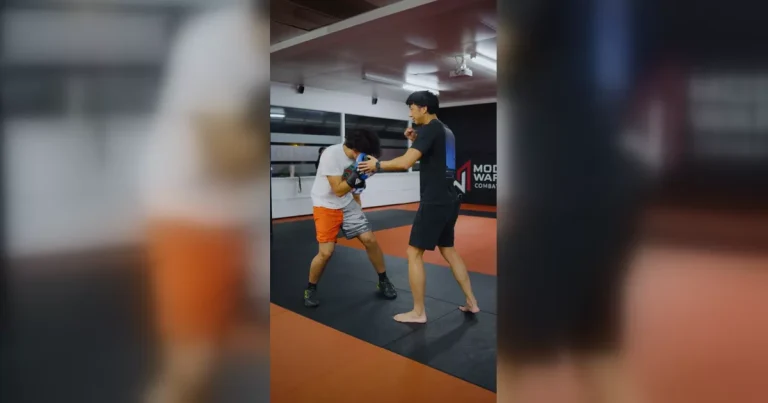
Punches get easier to land when the other person starts to react before the real attack begins. In this coaching clip, a Modern Warrior coach names three boxing feints — the psych or stepping feint, the fake punch feint, and the head-movement feint — and shows why they only work if they look like the real thing.
What a Boxing Feint Is Actually Trying to Do
A boxing feint is not decoration. It is a small lie with a job: make the other person move their guard, their feet, or their eyes so your real punch has a lane. If they never believe you, nothing opens. The coach’s test is the same throughout the clip: the feint has to carry the same energy as the punch you are pretending to throw.
This article starts with the 72-second breakdown, then connects it to two June clips about jab feints and telegraphing. The idea is the same on pads and in drills: sell the attack, then throw the real one.
Feint 1: Psych Feint, or Stepping Feint
The coach calls the first one the most basic: the psych feint, also named the stepping feint. You are not throwing a punch yet. You are selling enough energy that you are coming in for one. The step does the convincing. If your feet stay glued and only your shoulders twitch, most partners ignore you. If the step looks like a real entry — same distance, same rhythm — they have to deal with it.
The on-screen reminder is blunt: the feint has to be the same. Share the first picture with the real attack. Change the ending, not the whole movie.
Feint 2: Fake Punch Feint
The second method is the fake punch feint — the psych feint with a punch shape added. You start a real shot — the coach uses the cross, then mentions an uppercut and an overhand — and you stop or redirect before it becomes the committed punch. Fake a punch you actually know how to throw. If you cannot land the cross when you mean it, faking it only shows your partner what you do not intend to finish.
Feint 3: Head-Movement Feint
The third one is simply a head-movement feint. You move the head as if a punch is coming — or as if you are slipping one — so the other person starts to track you. The coach’s language is practical: the movement acts as a fake, and it can also be a punch. If you lunge your head off the line with your feet stuck, you are not feinting. You are giving someone a target that is easier to time.
Sell the entry with your feet. The first picture has to look like a real attack.
Show a punch you can actually throw — cross, uppercut, or overhand — then change.
Move the head as a fake, not as a collapse. Keep the stance under you.
The Difference Between a Convincing Feint and Telegraphing
A convincing feint makes someone react. Telegraphing tells them what is coming and gives them time to stop it. Two June clips from the same gym make that distinction concrete. In one, a coach stops a jab-feint that never threatens a hit: if you are going to feint the jab, it still has to look like you could hit them — and then you jab. An empty wave is not a feint.
Simple rule: if your feint is bigger, slower, or more obvious than your real jab, you are telegraphing. Make the fake share the start of the real punch, then change only the ending.
How the Feet Support a Believable Attack
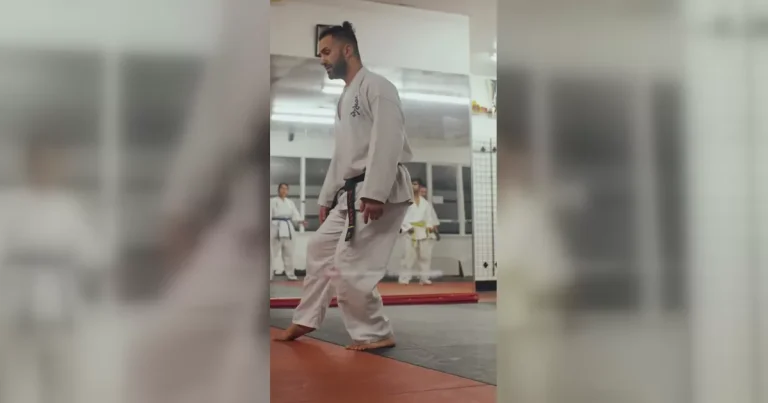
Hands lie more easily than feet. That is why the first feint in the lesson is a stepping feint. The July clip shows the same coach in stance in front of the gym mirror, working weight, distance, and the small steps that make an entry look real. This article is not naming a separate footwork curriculum from the filename. It is pointing at what you can see: a stance that can step, stop, and still punch.
A Simple Progressive Drill
You do not need a complicated combination. Use a short progression a coach can watch:
- Movement. Step in and out on the line you would actually punch from.
- Feint. Add one of the three: psych/step, fake punch, or head movement.
- Real punch. Repeat the same first picture, then throw the jab or cross you were selling.
- Controlled reaction. Give your partner a job: parry, cover, or step back when they believe it.
Do this on mitts first. The June mitt clip is the “real punch” half. The three-feint lesson is the “sell it first” half.
From Drills to Live Application
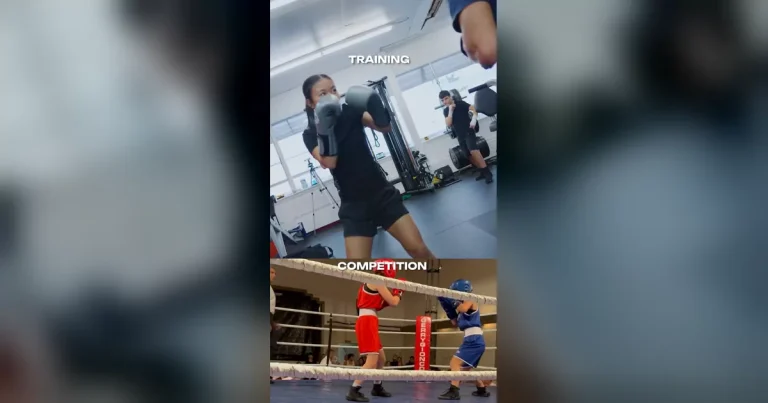
Feints get sloppy when people try to use all three in the first live round. Pick one. Make it look like your real jab. Then throw the real jab. The August clip below is controlled striking in class — gloves, and in some rounds shin guards or mitts. It shows the jump from a taught feint to live timing. It is not a demonstration of these three feints.
On the live boxing page, sparring is optional and reserved for intermediate and competitive classes. You can learn these feints on pads and in drills long before anyone asks you to spar.
Learn Boxing and Kickboxing in New Westminster
Clips name the mistake while you can still pause. They become useful on the floor when a coach can see whether your step, your jab, and your fake are the same picture. Modern Warrior Academy in New Westminster runs boxing and kickboxing as related striking programs, with Muay Thai for the kick-and-clinch side. Compare the two striking paths in kickboxing vs boxing for beginners, or clean up your guard on kicks in keep your hands up on low kicks. For the defensive side of the jab, see boxing parry drills.
No experience needed. Book a free intro class, look at the current schedule, and get real feedback on your jab before you try to make someone miss.