
7 सितंबर 2026
BJJ पोजीशन नियंत्रण: केसा-गटामे से गिफ्ट-रैप हमलों तक
BJJ पोजीशन नियंत्रण: केसा-गटामे से गिफ्ट-रैप हमलों तक
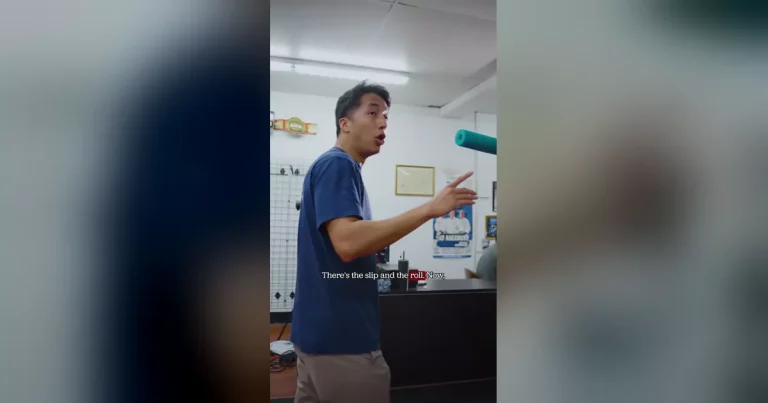
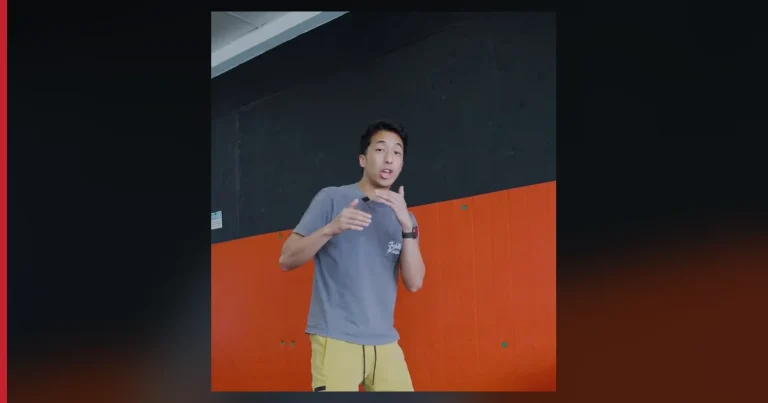
नियंत्रण वह है जो अगला हमला खोलता है। न्यू वेस्टमिंस्टर में Modern Warrior Academy के इन गी क्लिप्स में, एक कोच ब्राज़ीलियाई जिउ-जित्सु पोजीशन्स को रियर माउंट से नीचे तक रैंक करता है, फिर उस विचार के दो अलग-अलग उदाहरण दिखाता है: केसा-गटामे से किमुरा, और गिफ्ट-रैप नियंत्रण जो आर्मबार या बैक में जा सकता है।
ट्रांसक्रिप्ट जांची गई
तो जिउ-जित्सु में पोजीशन्स का पदानुक्रम, सबसे अच्छी स्थिति से सबसे खराब स्थिति तक, मेरे लिए रियर माउंट से शुरू होना चाहिए। पीठ का सही नियंत्रण होने पर, आपके पास रियर नेक्ड चोक, आर्म बार, और कई ट्रांजिशन तक बहुत पहुंच होती है, यहां तक कि माउंट पर वापस जाने के लिए भी।
यह मेरी दूसरी पसंदीदा स्थिति है। सड़क आत्मरक्षा के लिए, आप प्रभुत्वशाली हैं। आप बहुत सारे पंच मार सकते हैं। आप खुद कोई पंच नहीं लेते। और आप माउंटेड ट्रायंगल, हेड चोक, और आर्म बार जैसे कई सबमिशन में ट्रांजिशन कर सकते हैं।
अगली प्रभुत्वशाली स्थिति साइड माउंट है। फिर से, वास्तव में प्रभुत्वशाली स्थिति। विरोधी को नीचे रखना आसान, ऊपर बने रहना, और विरोधी के स्ट्राइक न लेने की स्थिति।
फिर उसके बाद मैं कहूंगा कि आधा गार्ड किसी भी प्रकार का हो, चाहे ऊपर हो या नीचे। आप अभी भी उतना नियंत्रण में नहीं हैं जितना हो सकता है, लेकिन आप अभी भी स्ट्राइक मार सकते हैं या किसी को खतरे से बाहर निकाल सकते हैं। लेकिन गार्ड में नीचे वाला व्यक्ति हमेशा आपको हमला कर रहा होता है।
फिर मैं कहूंगा कि गार्ड एक तरह से तटस्थ स्थिति है जहां आप अभी भी खतरे में हैं, खासकर अगर स्ट्राइकिंग हो। नीचे से कई सबमिशन हो सकते हैं। अगर स्ट्राइकिंग शामिल है, तो मैं कहूंगा कि गार्ड अभी भी एक तटस्थ स्थिति है, लेकिन आपके पास थोड़ा अधिक लाभ है।
फिर जाहिर तौर पर सबसे खराब स्थिति आपकी पीठ पर होना है, किसी भी रूप में, अगर कोई आपको माउंट कर रहा है या आपकी पीठ ले रहा है। आप निश्चित रूप से उस स्थिति से जितनी जल्दी हो सके बाहर निकलना चाहते हैं और ऊपर की स्थिति में ट्रांजिशन करने की कोशिश करनी चाहिए।
ट्रांसक्रिप्ट को कोचिंग ऑडियो और स्क्रीन कैप्शंस के साथ जांचा गया। पठनीयता के लिए कुछ जोड़ने वाले शब्द साफ किए गए; रैंकिंग और उदाहरण कोच के हैं।
कोच कैसे पोजीशन पदानुक्रम समझाते हैं
यह वह रैंकिंग है जो वह क्लिप में सिखाते हैं, सबसे पसंदीदा स्थिति से उन तक जिन्हें वह छोड़ना चाहते हैं। ऑन-स्क्रीन सूची बातचीत से मेल खाती है। यह कोई प्रतियोगिता अंक तालिका नहीं है, और यह लेख उन पोजीशन्स को नहीं जोड़ता जिन्हें वह नामित नहीं करते।
- रियर माउंट। वह यहीं से शुरू करते हैं। पीठ के साथ, वह कहते हैं कि आपके पास रियर नेक्ड चोक, आर्मबार, और ट्रांजिशन हैं जो माउंट पर वापस जा सकते हैं।
- फुल माउंट। उनकी दूसरी पसंदीदा। वह यहां से सड़क आत्मरक्षा के बारे में बात करते हैं: आप पंच मार सकते हैं बिना उन्हें लिए, और आप अभी भी माउंटेड ट्रायंगल, हेड चोक, और आर्मबार जैसे सबमिशन का शिकार कर सकते हैं।
- साइड माउंट। अगला। वह इसे एक और प्रभुत्वशाली शीर्ष स्थिति कहते हैं: विरोधी को नीचे रखना आसान और ऊपर बने रहना बिना स्ट्राइक लिए।
- हाफ गार्ड, ऊपर या नीचे। ऊपर की स्थितियों की तुलना में कम नियंत्रण। वह अभी भी स्ट्राइक या खतरे से बाहर निकलने का रास्ता देखते हैं, यह याद दिलाते हुए कि गार्ड में नीचे वाला व्यक्ति आपको हमला कर रहा है।
- फुल गार्ड। वह इसे अधिक तटस्थ स्थान के रूप में देखते हैं। आप अभी भी खतरे में हैं, खासकर अगर स्ट्राइकिंग हो, क्योंकि नीचे से कई सबमिशन आते हैं। वह अभी भी गार्ड खिलाड़ी को सबसे खराब स्थानों की तुलना में थोड़ा अधिक लाभ देते हैं।
- माउंटेड होना — या, जैसा कि वह कहते हैं, आपकी पीठ पर होना अगर कोई आपको माउंट कर रहा है या आपकी पीठ ले रहा है। बाहर निकलें। ऊपर की स्थिति में जाने की कोशिश करें।
रैंकिंग का उद्देश्य वही है जिस पर तकनीक क्लिप बार-बार लौटती हैं: जिस स्थिति को आप पकड़ते हैं वह तय करती है कि कौन से हमले उपलब्ध हैं।
केसा-गटामे से किमुरा
ट्रांसक्रिप्ट जांची गई
साथी को इस हाथ के साथ बहुत कठिनाई हो रही है। कोच हिप्स को लाने के लिए थोड़ा सा जगह खींचते हैं और केसा-गटामे में स्विच करते हैं।
नियंत्रण करने वाला हाथ सिर के चारों ओर जाता है। वह अंदरूनी जांघ की ओर लपेटता है, नीचे स्लाइड करता है, और अपना सिर नीचे रखता है।
दायां कोहनी पीछे। दूसरा हाथ कोहनी के नीचे आता है और हाथ मिलते हैं — एक गेबल ग्रिप।
वहां से वह किमुरा खत्म करने के लिए कोहनी उठाता है।
कोचिंग ऑडियो और ऑन-स्क्रीन कैप्शंस के साथ जांचा गया।
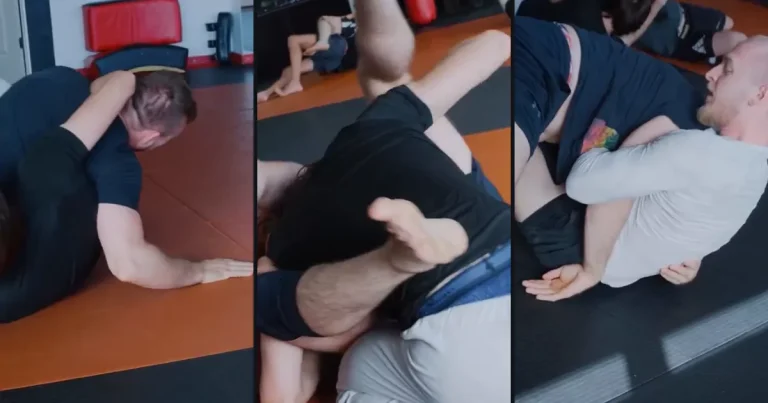
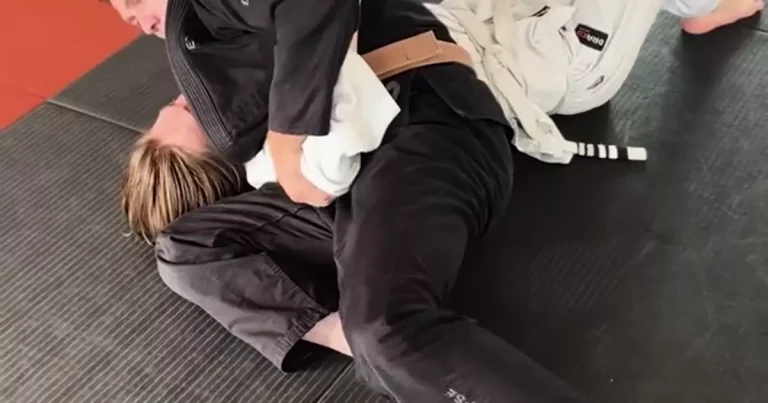
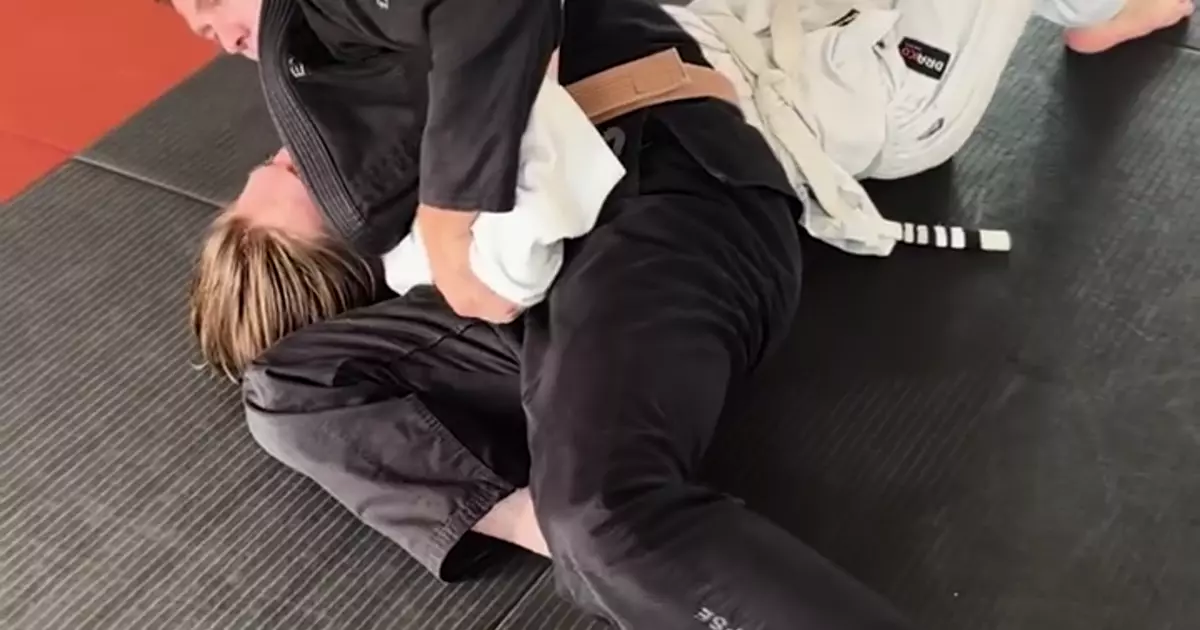
यह क्लिप अपना अलग उदाहरण है। यह गी वर्क है, और यह गिफ्ट-रैप नहीं दिखाता। कोच केसा-गटामे — स्कार्फ होल्ड — में है, कूल्हे पर बैठा, साथी के लंबवत, सिर लपेटा हुआ और नजदीकी हाथ फंसा हुआ।
साथी उस हाथ से लड़ रहा है। कोच हिप्स को लाने के लिए थोड़ा सा जगह लेते हैं, केसा-गटामे में रहते हैं, और नियंत्रण करने वाले हाथ को सिर के चारों ओर भेजते हैं। मैट पर संकेत व्यावहारिक हैं: नीचे स्लाइड करें, सिर नीचे रखें, दायां कोहनी पीछे रखें, दूसरा हाथ कोहनी के नीचे डालें, और हाथों को गेबल ग्रिप में जोड़ें। जो खत्म वह दिखाते हैं वह कोहनी उठाना है।
गिफ्ट-रैप नियंत्रण: आर्मबार विकल्प
ट्रांसक्रिप्ट जांची गई
मैं दूर की ओर अंडर के लिए जा रहा हूँ। जब साथी हाथ को शरीर के पार शूट करता है, तो कोच इसे देखता है और कंधे पर पहुंचता है।
वह अपने घुटनों को ऊपर स्लाइड करता है और गिफ्ट-रैप स्थिति स्थापित करता है: सिर के चारों ओर, कलाई पकड़ो।
कूल्हे के ऊपर पैर। वह गिरता है, पैर सिर के ऊपर लाता है, कूल्हे पीछे रखता है, और आर्मबार के लिए तैयार होने तक हाथ पकड़ता है।
फिर वह आर्म लेने के लिए कूल्हे उठाता है।
कोचिंग ऑडियो और ऑन-स्क्रीन कैप्शंस के साथ जांचा गया।
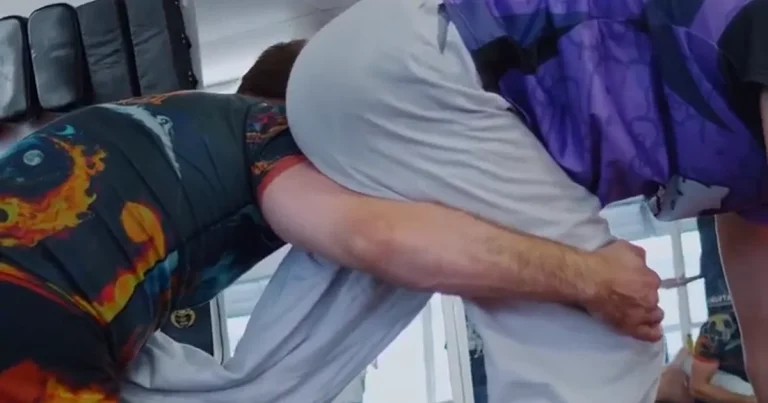
इसे नियंत्रण के दूसरे उदाहरण के रूप में देखें जो हमला खोलता है, न कि किमुरा के बाद अगला कदम। साथी शरीर के पार एक हाथ शूट करता है। कोच दूर की ओर अंडर के लिए जाता है, कंधे तक पहुंचता है, और घुटनों को ऊपर स्लाइड करता है।
यही गिफ्ट-रैप है: सिर के चारों ओर, कलाई पकड़ो, ताकि साथी का अपना हाथ गर्दन के पार फंसा हो। वहां से जो आर्मबार वह दिखाता है वह कई छोटे कामों की श्रृंखला है — कूल्हे के ऊपर पैर, गिरना, पैर सिर के ऊपर, कूल्हे पीछे, हाथ छाती तक पकड़ना — और फिर खत्म करने के लिए कूल्हे उठाना।
गिफ्ट-रैप नियंत्रण: बैक-टेक विकल्प
ट्रांसक्रिप्ट जांची गई
वह आर्मबार क्लिप की तरह ही लपेट सेट करता है: सिर के चारों ओर, कलाई पकड़ो। जब साथी हाथ पार करता है, तो यह उसे एक नई स्थिति देता है।
वह साथी को ऊपर खींचता है और पीछे बैठता है, हाथ को गर्दन के चारों ओर पहुंचाता है।
वह बाइसेप्स और सिर के पीछे को नियंत्रित करता है, फिर दबाता है।
कोचिंग ऑडियो और ऑन-स्क्रीन कैप्शंस के साथ जांचा गया।
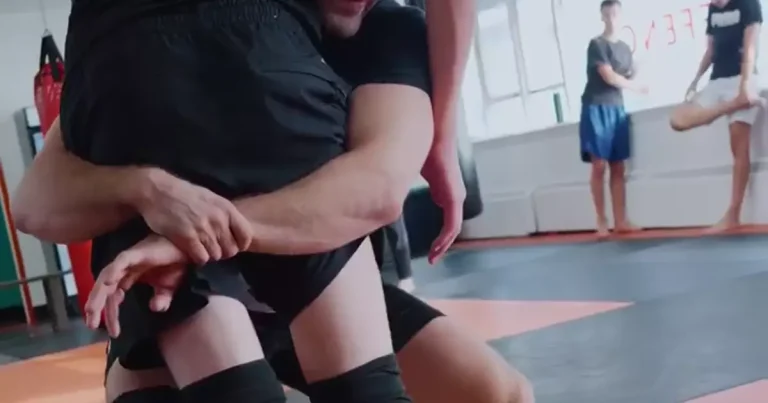
कोच कहते हैं कि यह आर्मबार की तरह शुरू होता है। वह अभी भी लपेट की तलाश में है — सिर के चारों ओर, कलाई पकड़ो — जब साथी पार पहुंचता है और उसे अलग स्थिति देता है। गिरने के बजाय, वह साथी को ऊपर खींचता है, पीछे बैठता है, गर्दन के चारों ओर हाथ रखता है, और बाइसेप्स और सिर के पीछे नियंत्रण के साथ दबाता है।
फुटेज दोनों गिफ्ट-रैप क्लिप्स की तुलना यहां तक करता है: समान लपेट, दो विकल्प। एक आपको आर्मबार पर बैठाता है। दूसरा आपको पीठ पर। कोई भी क्लिप केसा-गटामे किमुरा की निरंतरता के रूप में नहीं दिखाया गया है।
फुटेज दो सवालों के जवाब देता है
कोच कौन सी BJJ पोजीशन को पहले रखता है?
रियर माउंट। इस पाठ में यह उनकी सूची का शीर्ष है क्योंकि चोक, आर्मबार, और माउंट पर वापस जाने का मौका है।
क्या किमुरा क्लिप गिफ्ट-रैप हमलों की शुरुआत है?
नहीं। किमुरा केसा-गटामे से है। गिफ्ट-रैप आर्मबार और बैक टेक एक ही लपेट से अलग जोड़ी उदाहरण हैं।
न्यू वेस्टमिंस्टर में पोजीशन नियंत्रण का प्रशिक्षण लें
क्लिप्स आपको विचार देखने में मदद करते हैं। रैंकिंग तभी टिकती है जब आप स्थिति बनाए रख सकें जब कोई हिल रहा हो। वयस्क जिउ-जित्सु Modern Warrior में वह काम होता है, कोच Cody Osborn के नेतृत्व में ग्रैपलिंग रूम। जब आप नीचे होते हैं, तो लक्ष्य बदल जाता है: देखें BJJ बचाव, काउंटर और रिवर्सल.
उन स्टैंडिंग एंट्रीज़ के लिए जो इन ग्राउंड पोजीशन्स से पहले शुरू होती हैं, देखें डबल-लेग टेकडाउन, सिंगल-लेग टेकडाउन फिनिश और पहले अंडरहुक हमले श्रृंखला। अकादमी ग्रैपलिंग को समग्र रूप से कैसे बात करती है, पढ़ें ग्राउंड और ग्रैपलिंग अवलोकनफिर जांचें वर्तमान समय सारिणी.