
26 September 2026
BJJ Escapes, Counters, and Reversals: Three Different Goals
BJJ Escapes, Counters, and Reversals: Three Different Goals
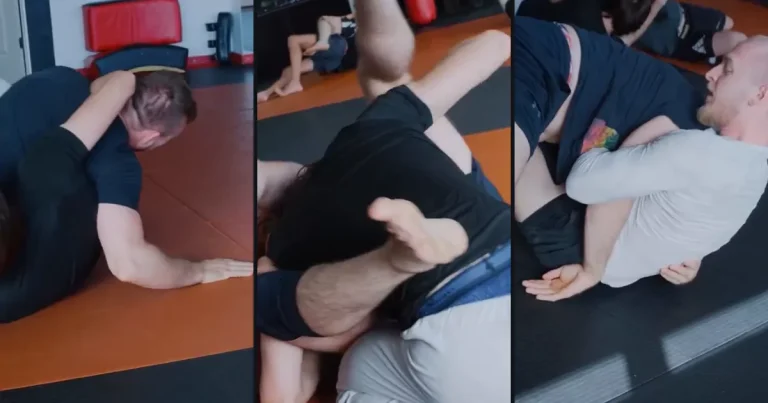
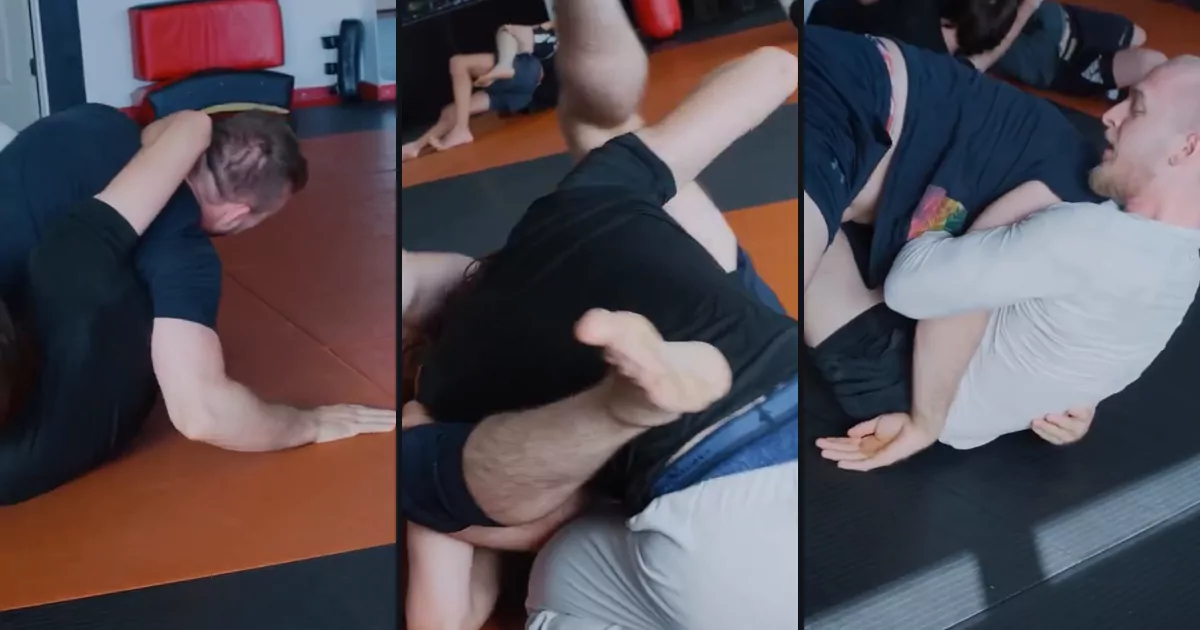
Escape, counter and reversal often get used as if they mean the same thing, but each names a different goal. Three short demonstrations from Modern Warrior in New Westminster show the difference: a triangle escape, a takedown countered with a triangle, and a reversal from the bottom to side control.
Three Words, Three Goals
Escape, counter and reversal all describe what you do when your partner has something going. What changes is the goal. An escape gets you out. A counter uses their attack as your opportunity. A reversal changes who is on top.
Each clip below shows its definition on screen. The clips are silent, so the same definitions are written out next to each video.
Escape: Get Out of the Threat
An escape is about getting out: out of a hold, out of a submission attempt, or out from under a controlling position. You don’t have to end up on top for it to count. Getting out of the danger is the job.
- On-screen definition: Escape
- “Getting out of an opponent’s hold, submission attempt, or controlling position.”
- Example shown
- Triangle escape
In the example, one partner is caught in a triangle and works their way out of it. The clip shows the goal, not a full lesson on triangle defence.
Counter: Respond With an Attack of Your Own
A counter starts with your partner’s attack. Instead of only stopping it, you answer with a technique that turns their attack into an opportunity for you.
- On-screen definition: Counter
- “Responding to an opponent’s attack with a technique that turns their attack into an opportunity for you.”
- Example shown
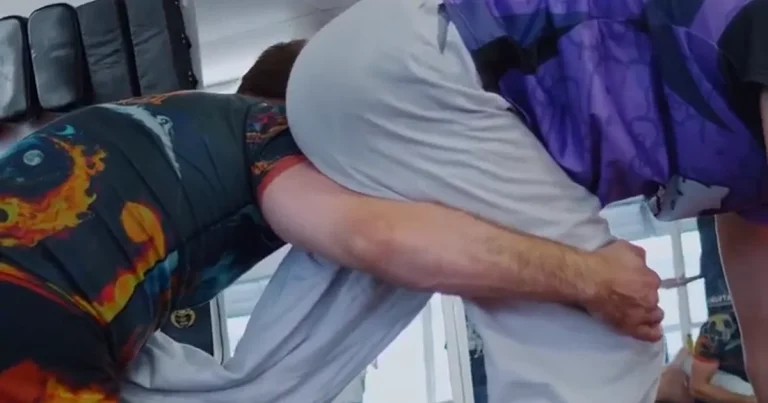
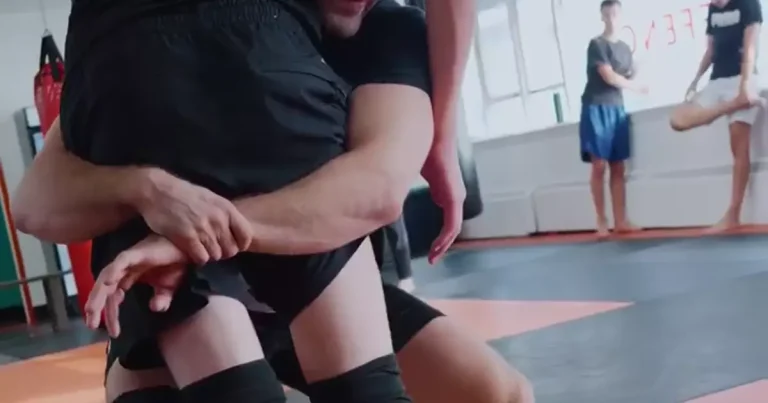
- Countering a takedown with a triangle
Here the attack is a takedown attempt, and the defending partner uses it to lock a triangle: the same position the first clip escaped from, now used as the counter. That link is worth noticing. One partner’s counter becomes the other partner’s escape problem.
Reversal: Change Who Is on Top
A reversal changes the positions. You start controlled on the bottom and finish controlling from the top.
- On-screen definition: Reversal
- “Switching from being controlled on the bottom to gaining control on top.”
- Example shown
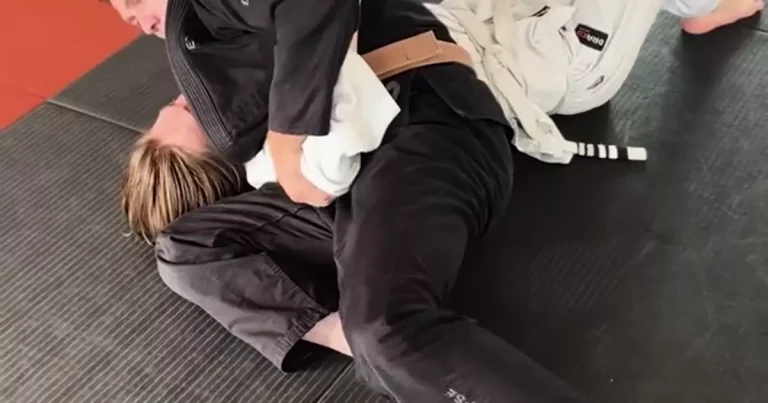
- Mounted guillotine reversal to side control
The clip is six seconds long. It is here to show the change of position, not to teach a guillotine escape step by step. Chokes are practised slowly, with a coach, and with an early tap.
The Three Goals Side by Side
| Term | Goal | Example in the clip |
|---|---|---|
| Escape | Get out of a hold, submission attempt or controlling position | Triangle escape |
| Counter | Turn the opponent’s attack into your opportunity | Countering a takedown with a triangle |
| Reversal | Go from controlled on the bottom to controlling on top | Mounted guillotine reversal to side control |
In live rolling the labels overlap, and one sequence can include more than one of them. They describe what you are trying to do, not separate rulebook categories. Points and competition rules are a different subject.
Practise Escapes Under a Coach
Escapes and counters are drilled with a coach and a cooperative partner, one position at a time. If a choke or joint lock is on, tap early and reset. An escape is something you practise before you need it, not something you wait out.
For the bigger picture of which positions matter most, read BJJ position control. Adult Jiu-Jitsu at Modern Warrior covers positional control, escapes and submissions, and the takedown side of the counter clip is also worked in Wrestling. No experience needed. Check the schedule, then book a free intro class.